Anchor Fasteners About
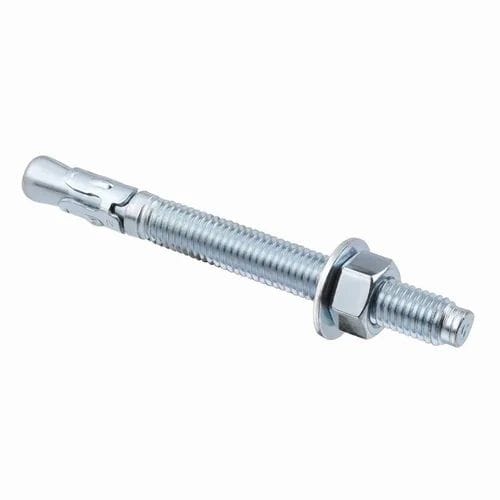
Fasteners are called anchor fasteners in the building trade. This is because in most cases, they connect something to a base material such as concrete or brick, like the anchor of a ship embeds itself in the sea bed and does not allow the ship to move.
In most cases, anchor fasteners are installed by first drilling a hole in the base material. The hole is slightly larger than the fastener. Then the anchor is inserted into the hole in the right manner. The distance to which the anchor penetrates into the base material is called the embedment depth.
There are essentially two types of anchor fasteners, mechanical anchor fasteners and chemical anchor fasteners. Each is described in more detail below.
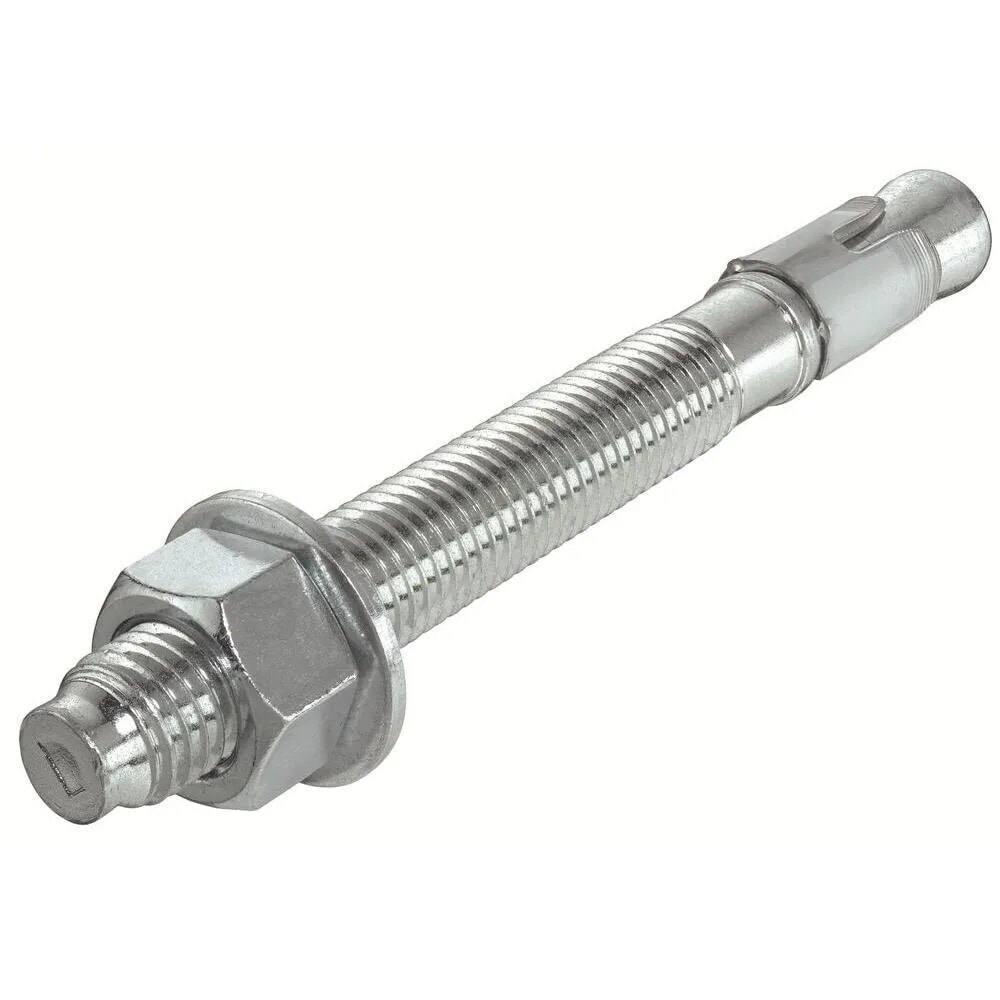
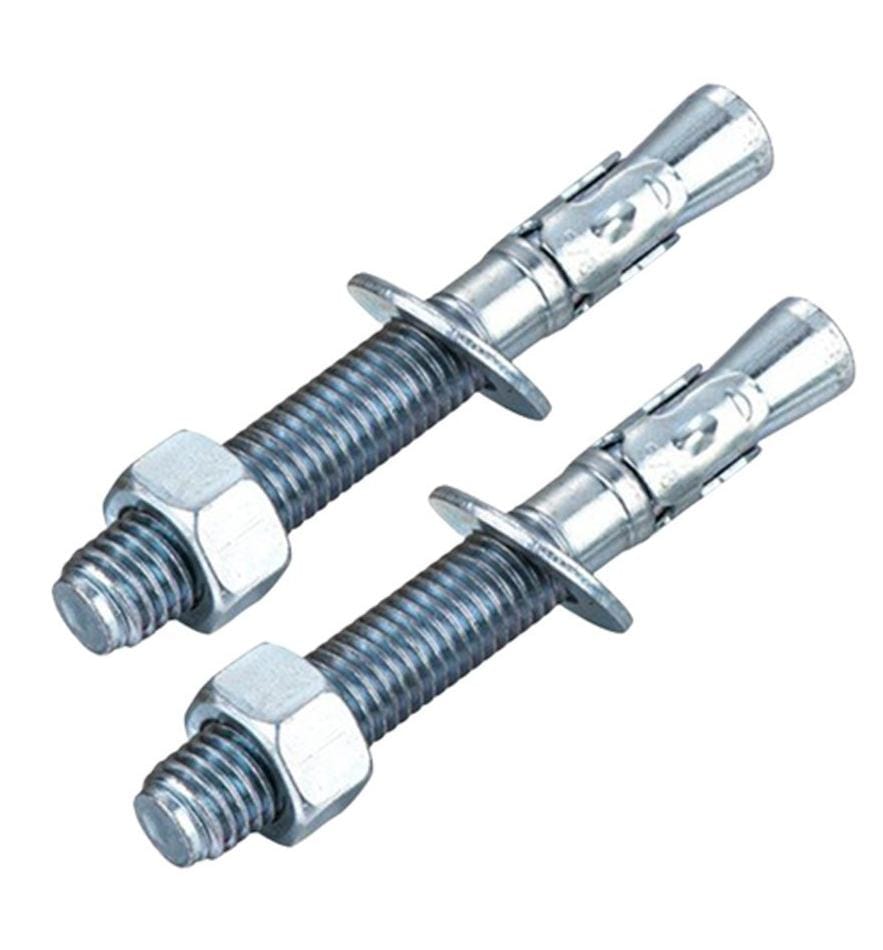
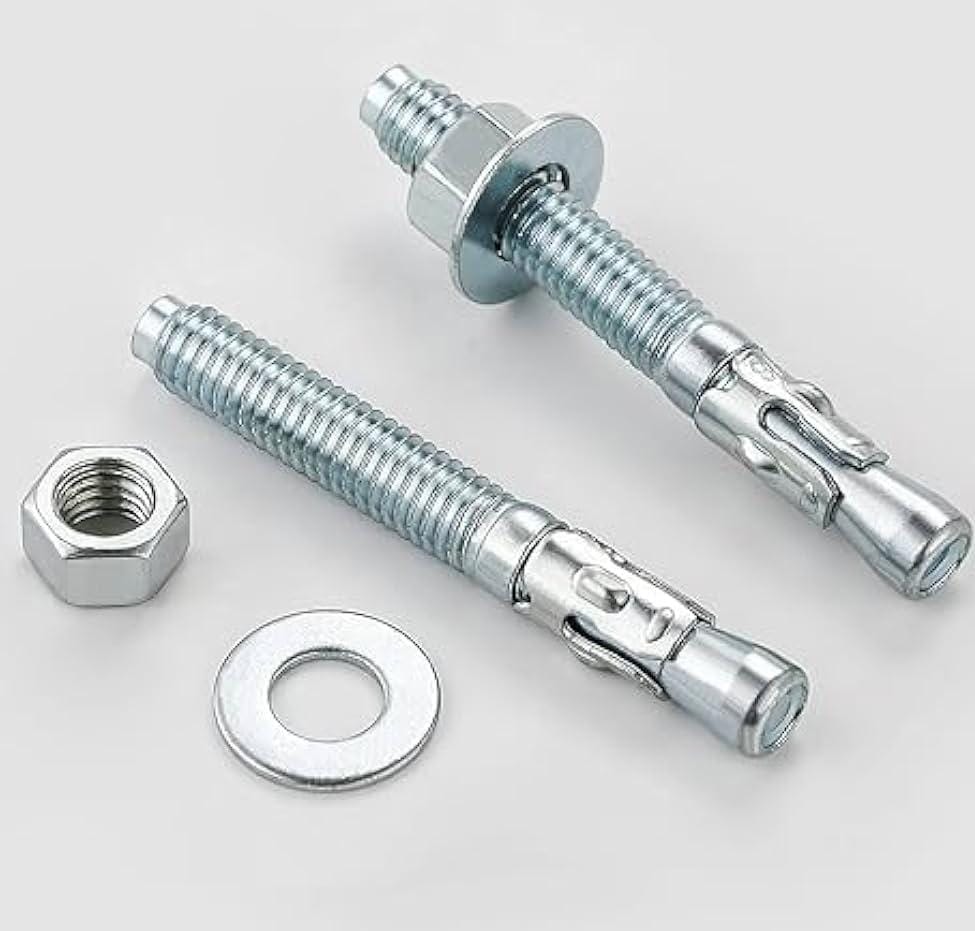
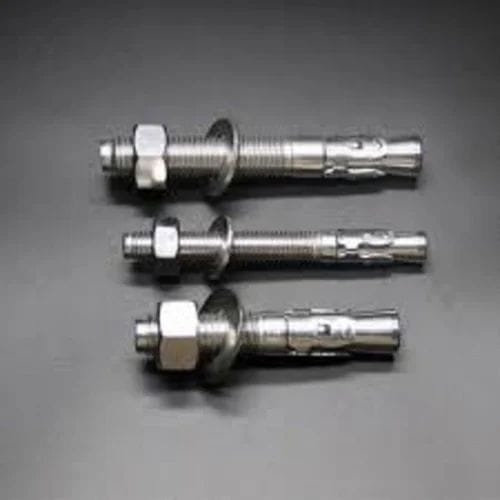
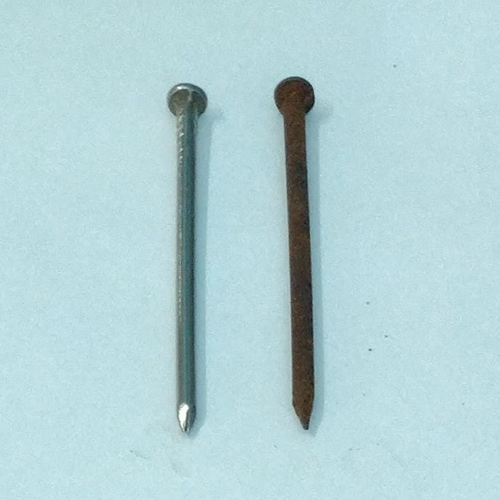
Anchors are required to resist forces in two directions. Pullout forces are those that act in the direction of the axis of the fastener. Shear forces are those forces that act at right angles to the axis of the fastener.Exceptional Corrosion and Rust ResistanceEngineered from premium stainless steel and finished with precise polishing, these anchor fasteners exhibit outstanding corrosion and rust resistance. Their silver, polished surface not only withstands harsh environments but also maintains strength and integrity over time, making them ideal for industrial and construction applications.
Durable and Reliable Construction SolutionWith a round shape, 70HRC hardness, and measurements of 14mm by 75mm, these fasteners provide robust, durable anchoring for heavy-duty tasks. Their polished finish ensures easy installation and long-term reliability, allowing them to perform efficiently under consistent load and stress.
FAQ's of Anchor Fasteners:
Q: How are these Anchor Fasteners installed in industrial and construction settings?
A: These anchor fasteners are typically installed by drilling a hole into the base material, inserting the anchor, and then tightening it to expand and secure the fastener in place, ensuring a stable connection in concrete or masonry.
Q: What makes the 70HRC hardness advantageous for these fasteners?
A: A hardness of 70HRC provides exceptional resistance to wear, impact, and deformation, allowing these anchor fasteners to deliver secure and lasting performance even in rigorous industrial and construction uses.
Q: When should I use stainless steel anchor fasteners with a polished finish?
A: Choose polished stainless steel anchor fasteners when you require high corrosion resistance, rust-proof properties, and a durable hold, especially in environments exposed to moisture or chemicals, like factories or construction sites.
Q: Where can these anchor fasteners be effectively applied?
A: These fasteners are suitable for use in industrial plants, construction projects, infrastructure installations, and anywhere a secure, corrosion-resistant anchoring solution is essential.
Q: What is the manufacturing process for these fasteners?
A: The fasteners are crafted from high-grade stainless steel, precisely formed into a round shape, subjected to thorough polishing for surface treatment, and then tested to achieve a 70HRC hardness, ensuring optimal durability and finish.
Q: How does the corrosion resistance benefit long-term use?
A: Corrosion resistance prevents the fasteners from deteriorating in harsh conditions, ensuring their structural integrity and reducing maintenance or replacement needs over time.
Q: What advantages do these fasteners offer compared to standard alternatives?
A: These anchor fasteners provide superior durability, rust-proof performance, and a polished appearance, making them a reliable and aesthetically pleasing choice for challenging industrial and construction applications.




 English
 Spanish
 French
 German
 Italian
 Chinese (Simplified)
 Japanese
 Korean
 Arabic
 Portuguese
 Send Inquiry
 Send Inquiry

